
Broadband and Fiber Standards
An objective breakdown of fixed-line network architectures, physical routing constraints, and last-mile delivery protocols without carrier marketing bias.
Last-Mile Delivery Protocols
Fiber Optic Routing
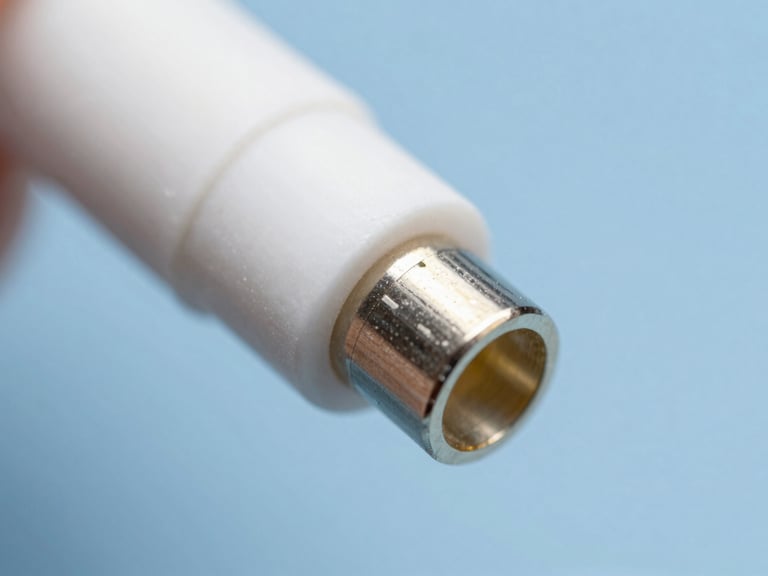
Pure silica glass strands transmitting data via infrared light. Offers symmetrical multi-gigabit throughput and absolute immunity to electromagnetic interference over long hauls.
Coaxial Cable Networks
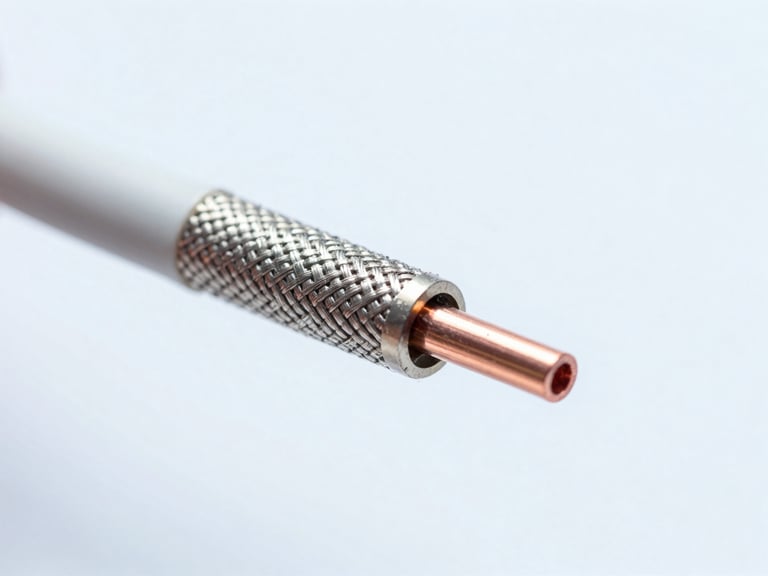
Coaxial copper lines utilizing high-frequency radio bands. Subject to shared node congestion and asymmetrical speed profiles due to physical upload bandwidth limitations.
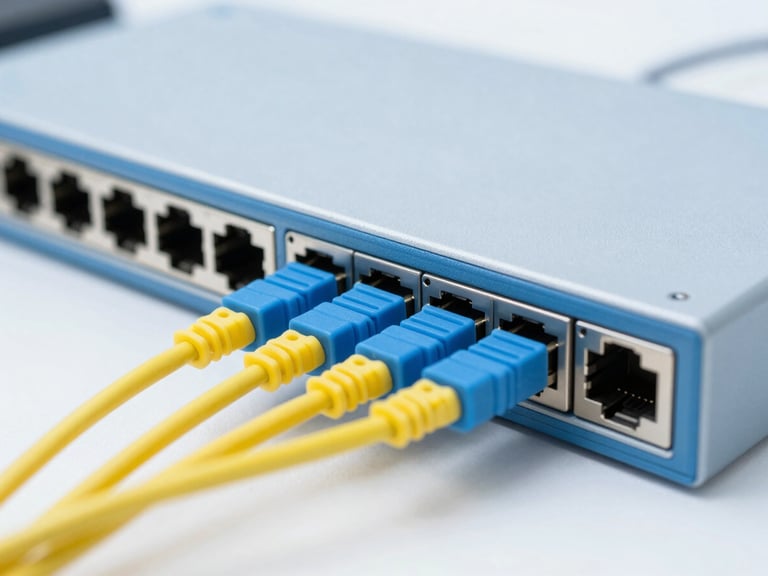
Multi-Gigabit Hardware Requirements
To sustain multi-gigabit fiber connections, local network interfaces must bypass standard gigabit bottlenecks. This requires Category 6A cabling and active optical network terminals.
Deploying 10-Gigabit SFP+ transceivers and high-throughput hardware firewalls prevents packet loss and maintains raw line-rate performance across local network switches.
Physical Network Constraints
1.2 ms
Fiber transit latency
0.01%
Maximum packet loss
10 Gbps
Symmetrical throughput
JACKSON STUDIOS LTD
Carrier-neutral spectrum analysis and network standards.
Reference
R ALADIM, 105
CONJUNTO RESIDENCIAL ESTRELA DO SUL
CAMPO GRANDE - MS
CEP: 79.013-130
BRASIL
© 2019 Jackson Studios LTD -Independent technical reference. No carrier contracts.
Carrier-neutral spectrum analysis